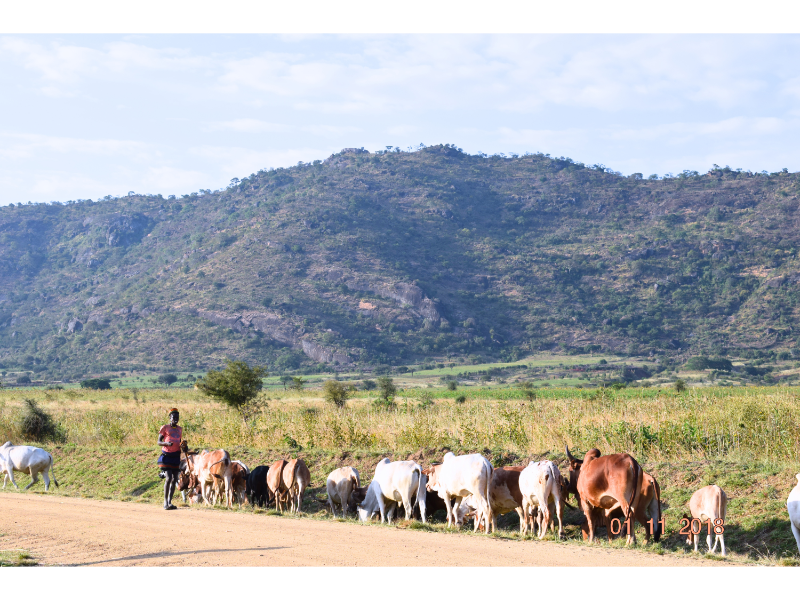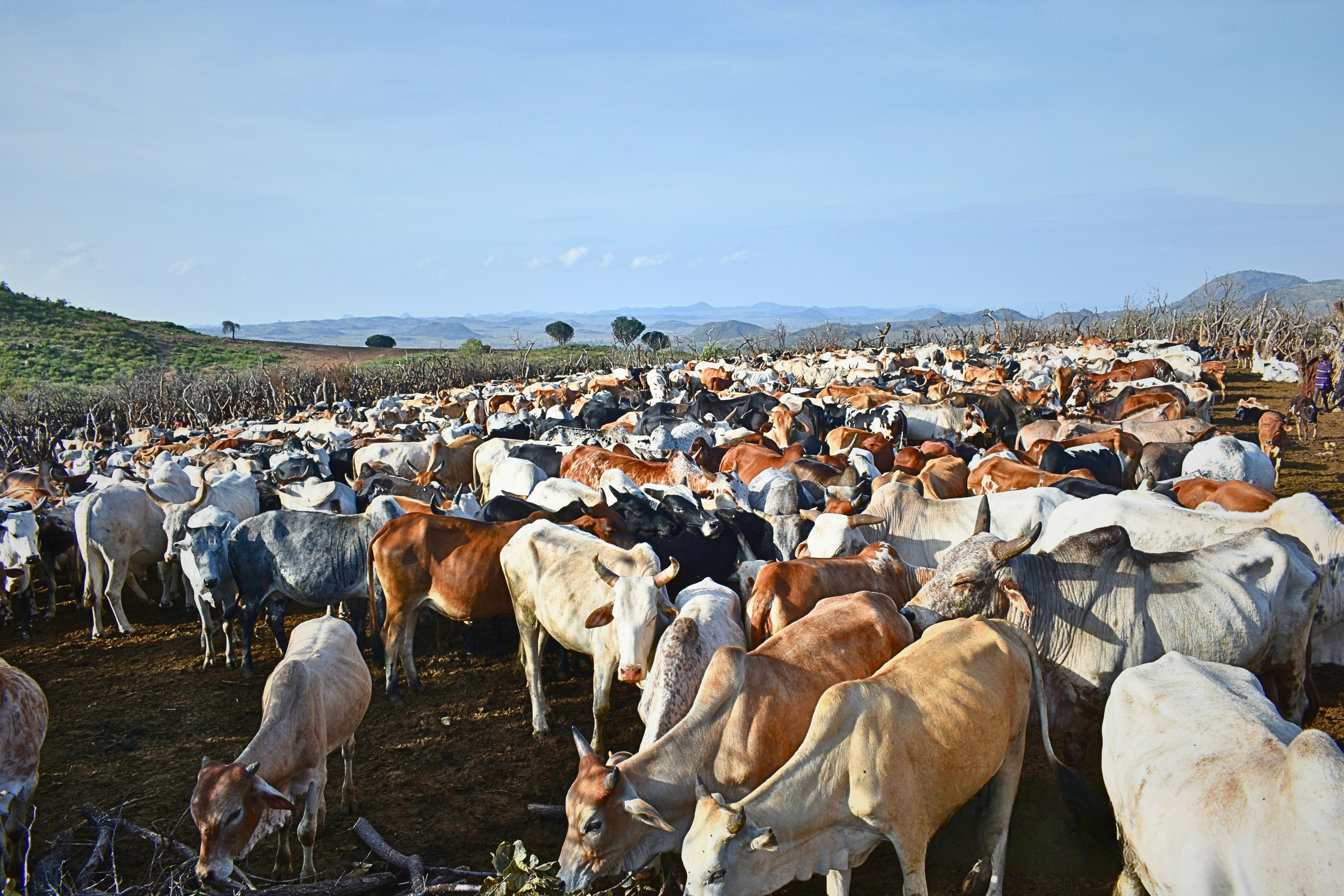
Pastoralism in Karamoja is Changing. That does not mean it is disappearing.
Find out more

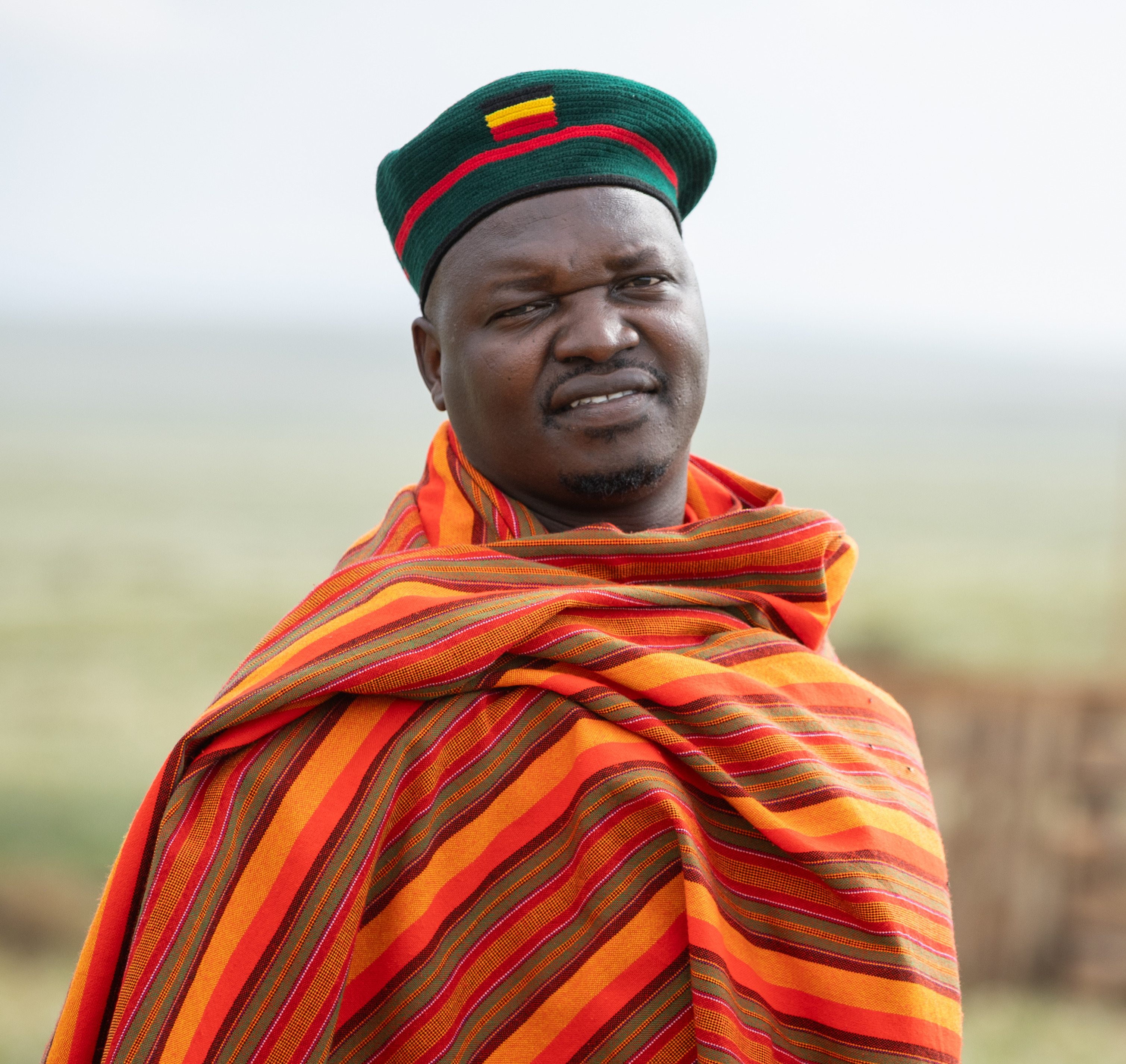
A shepherd may not sit in a climate conference.
They may not work for a government ministry.
They may not write climate policy.
But every day, shepherds make decisions that are closely connected to the health of rangelands.
Where should livestock graze?
When should herds move?
Where is water available?
Which pasture is ready?
Which areas need time to recover?
These decisions matter.
For pastoralist communities, climate change is not an abstract idea.
It can mean changing rainfall patterns, longer dry periods, pressure on pasture and water, and greater competition over natural resources.
Pastoralists have always adapted to changing conditions. Mobility is one of the ways pastoral systems respond to differences in pasture and water availability.
But adaptation becomes harder when traditional movement routes are blocked, land becomes contested, or communities are excluded from decisions about natural resources.
That is why shepherds need to be part of climate solutions.
There is a tendency to approach climate change as though solutions must always come from outside.
But pastoralist communities have developed knowledge over generations about livestock, weather, pasture, water and the landscape around them.
That knowledge does not mean communities have all the answers.
It means there is already a strong foundation to build on.
The opportunity is to bring Indigenous knowledge together with science, technology and new ideas.
Imagine a young shepherd who can combine traditional knowledge of pasture with access to timely information.
Imagine young people trained to monitor biodiversity, collect pasture information, restore degraded areas, add value to rangeland products and share information with their communities.
That is a very different picture from seeing shepherds simply as people affected by climate change.
They become part of the climate response.
Supporting pastoralist youth means supporting people who are already connected to the landscape.
Climate action should not only reach pastoralist communities. It should give them a stronger role in shaping the solutions.