Pastoralism in Karamoja is Changing. That does not mean it is disappearing.
Find out more
A healthy rangeland is always changing.
Grass grows.
Water moves.
Animals move.
Pasture recovers.
For pastoralist communities, mobility is not simply a way of life. It is a way of managing the landscape.
But across the world, pastoralists are finding it harder to move.
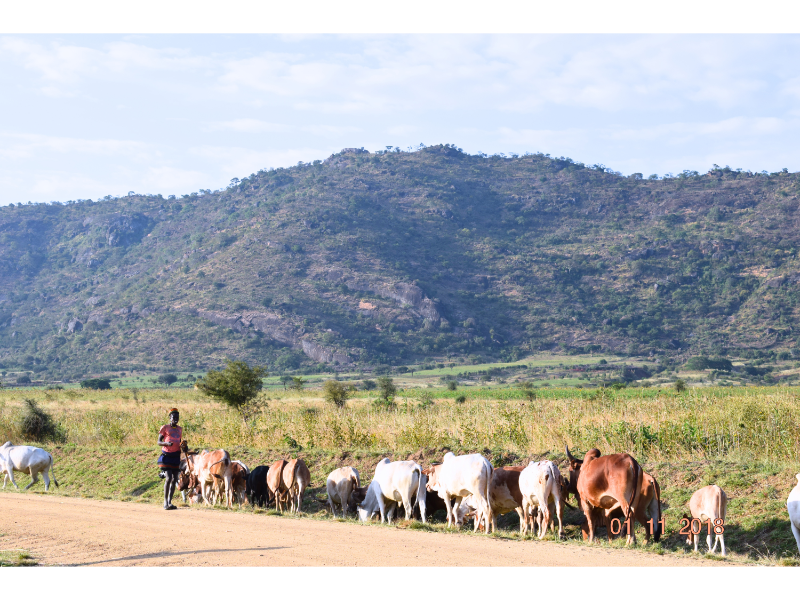
In Karamoja, pastoralists have long moved livestock according to the availability of pasture and water.
When one area becomes dry, herds move to another.
When grazing areas need time to recover, livestock move on.
This seasonal movement allows pastoralists to make use of changing conditions while giving grazed areas time to regenerate.
But mobility only works when people have access to the land and water resources they depend on.
Across pastoral areas, communal land is increasingly being divided, restricted or placed under different forms of use.
Protected areas, private land, fences, changing land uses and other restrictions can reduce the space available for pastoral movement.
The result is not only a problem for livestock owners.
It can also affect the health of the rangeland.
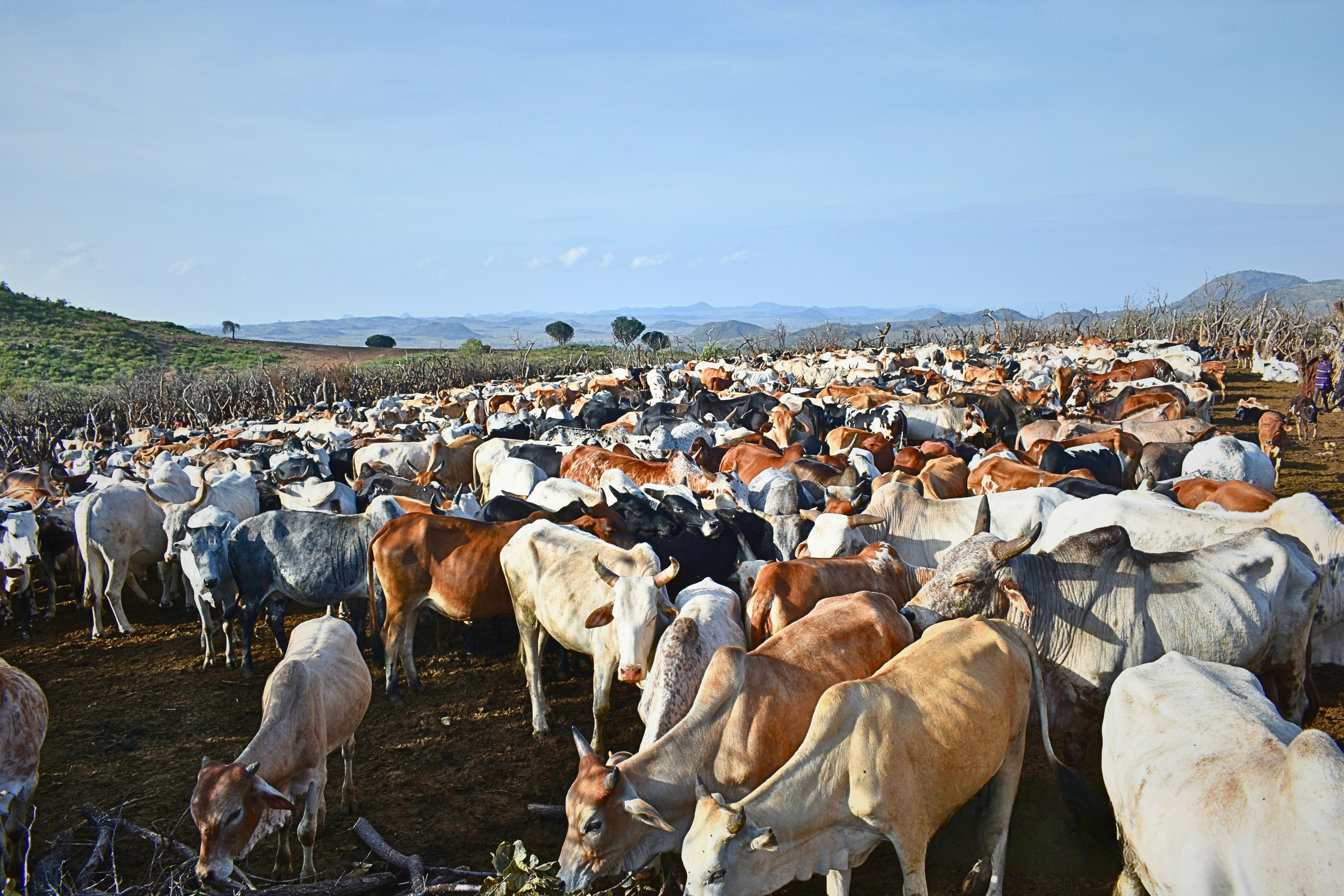
When herds cannot move, grazing pressure can become concentrated in fewer areas. Other areas may remain unused while communities struggle to access pasture and water.
The challenge is therefore not simply about finding more land.
It is about keeping landscapes connected and ensuring communities can move through them sustainably.
It is easy to think of pastoralists only as people who depend on nature.
But pastoralists also help shape the landscapes they live in.
Their knowledge tells them when to move livestock, where to graze, and when an area needs time to recover.
Well-managed grazing can help maintain open landscapes and support biodiversity. At the same time, poorly managed grazing can damage ecosystems.
The difference lies in how grazing is managed.
That is why pastoralist knowledge matters.
We cannot talk seriously about pastoralism without talking about land rights.
If communities do not have secure access to the land, water and routes they depend on, it becomes difficult to plan for the future.
It also becomes harder for them to take responsibility for managing those resources.
Secure land rights can give communities a stronger foundation to protect rangelands, resolve resource conflicts and make long-term decisions about their land.
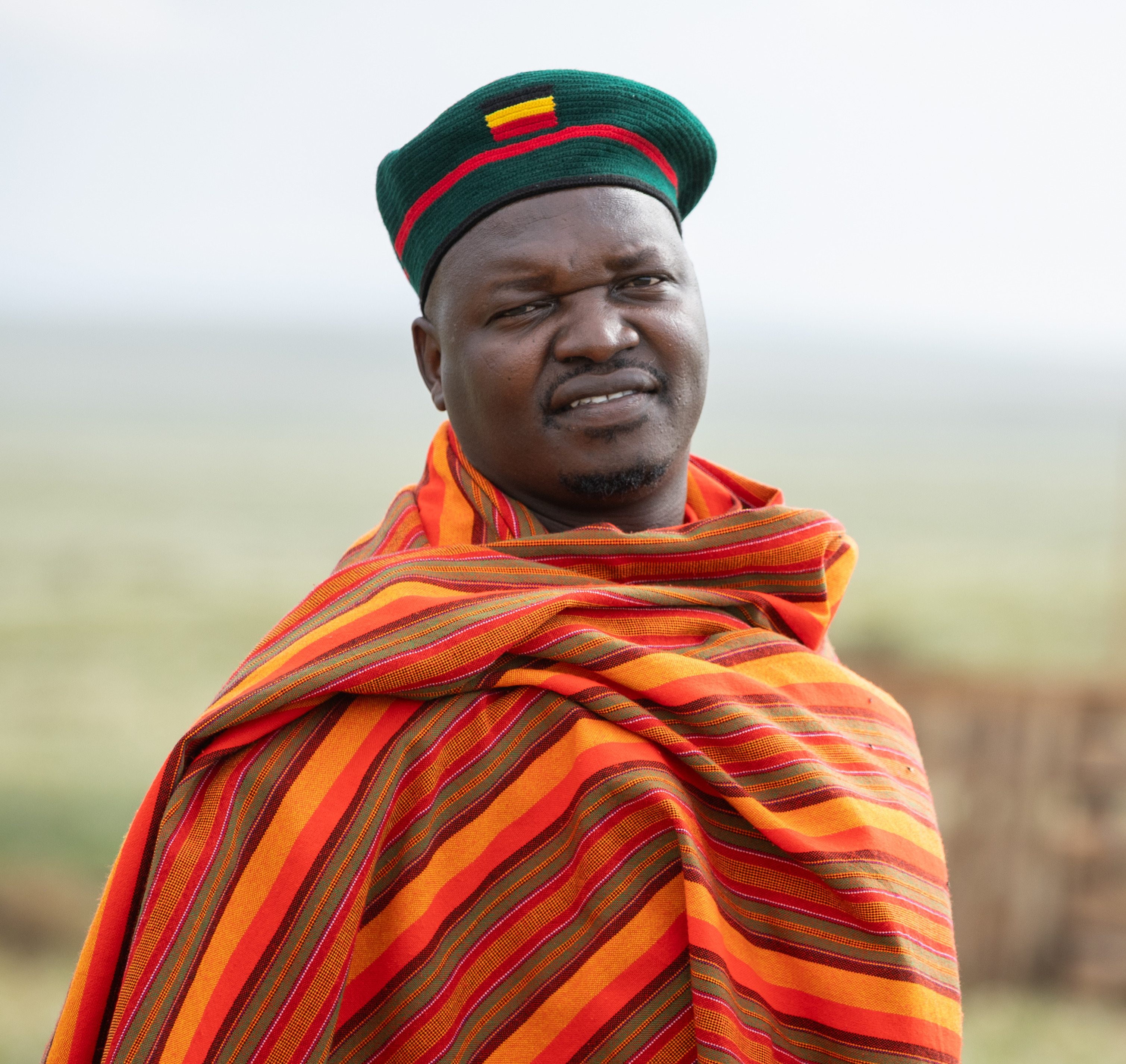
In September and October 2026, Belgian herders are taking part in the European Herders' March, travelling 170 kilometres across Belgium with a flock of 350 sheep. Loupa Pius, a pastoralist from Karamoja and founder of Rangeland Community Initiative, is joining the march to exchange experiences with European herders.
The landscapes are different.
The livestock systems are different.
The policies are different.
But the questions are surprisingly similar:
Who gets to use the land?
Who makes decisions about it?
How can grazing support healthy landscapes?
And how do we make sure pastoralists have a future?
These conversations matter because pastoralism is not only about livestock.
It is about people, landscapes, biodiversity, food systems, culture and knowledge.
If we want healthy rangelands, pastoralists cannot simply be treated as beneficiaries of conservation projects.
They need to be partners in shaping them.
That means listening to their knowledge, protecting their land rights, supporting sustainable mobility and creating opportunities for pastoralist youth to take leadership.
Protecting rangelands means protecting the people who know how to live with them.
At RCI, we believe healthy rangelands and thriving pastoralist communities go hand in hand.