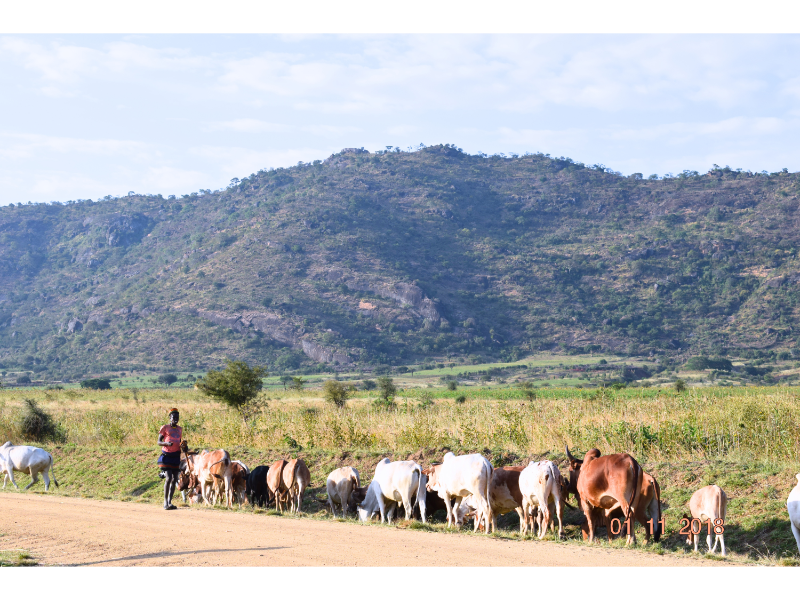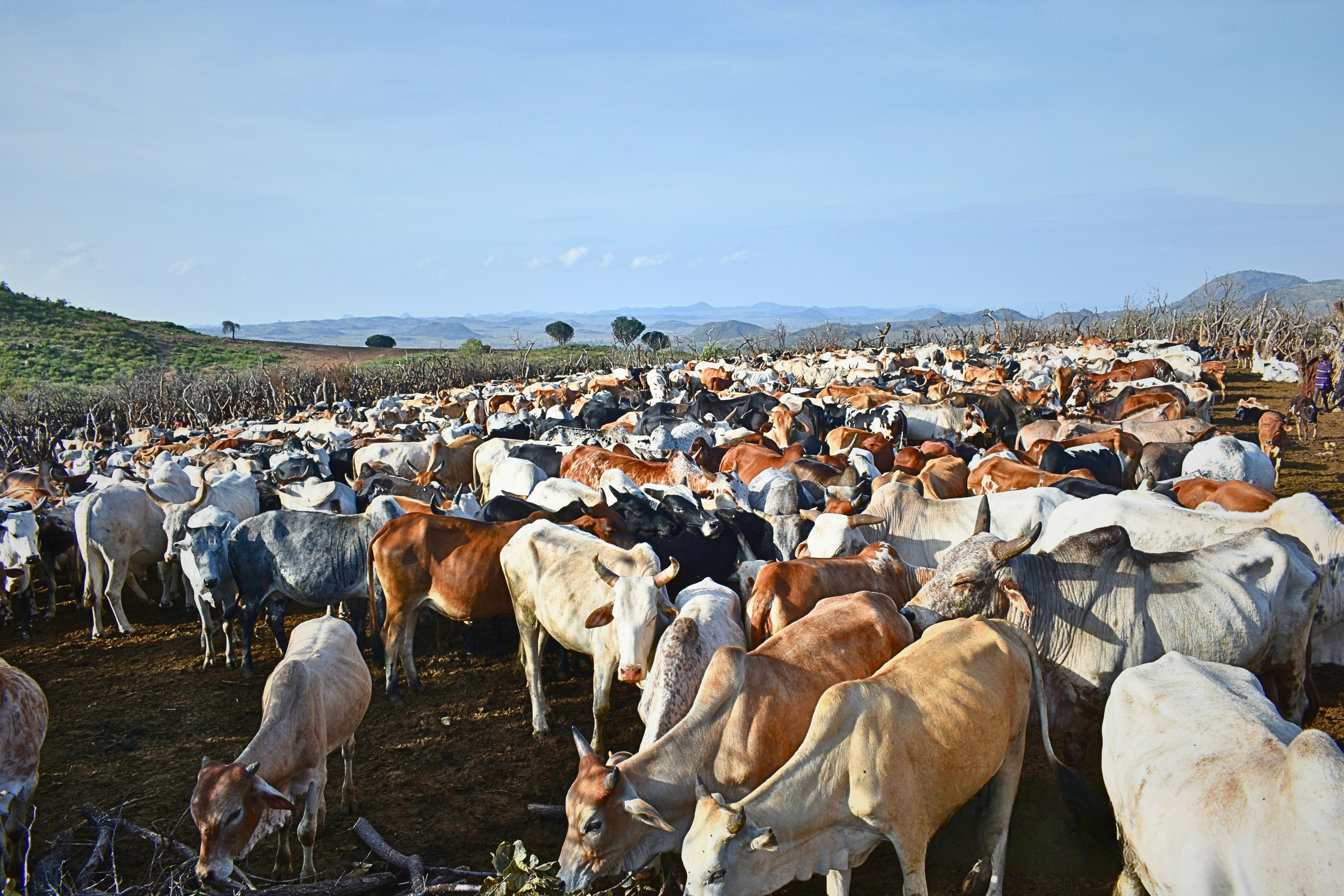
Pastoralism in Karamoja is Changing. That does not mean it is disappearing.
Find out more
Conservation often begins with a good intention:
Protect wildlife.
Protect forests.
Protect ecosystems.
But there is an important question we must ask:
What happens to the people who already live alongside these landscapes?
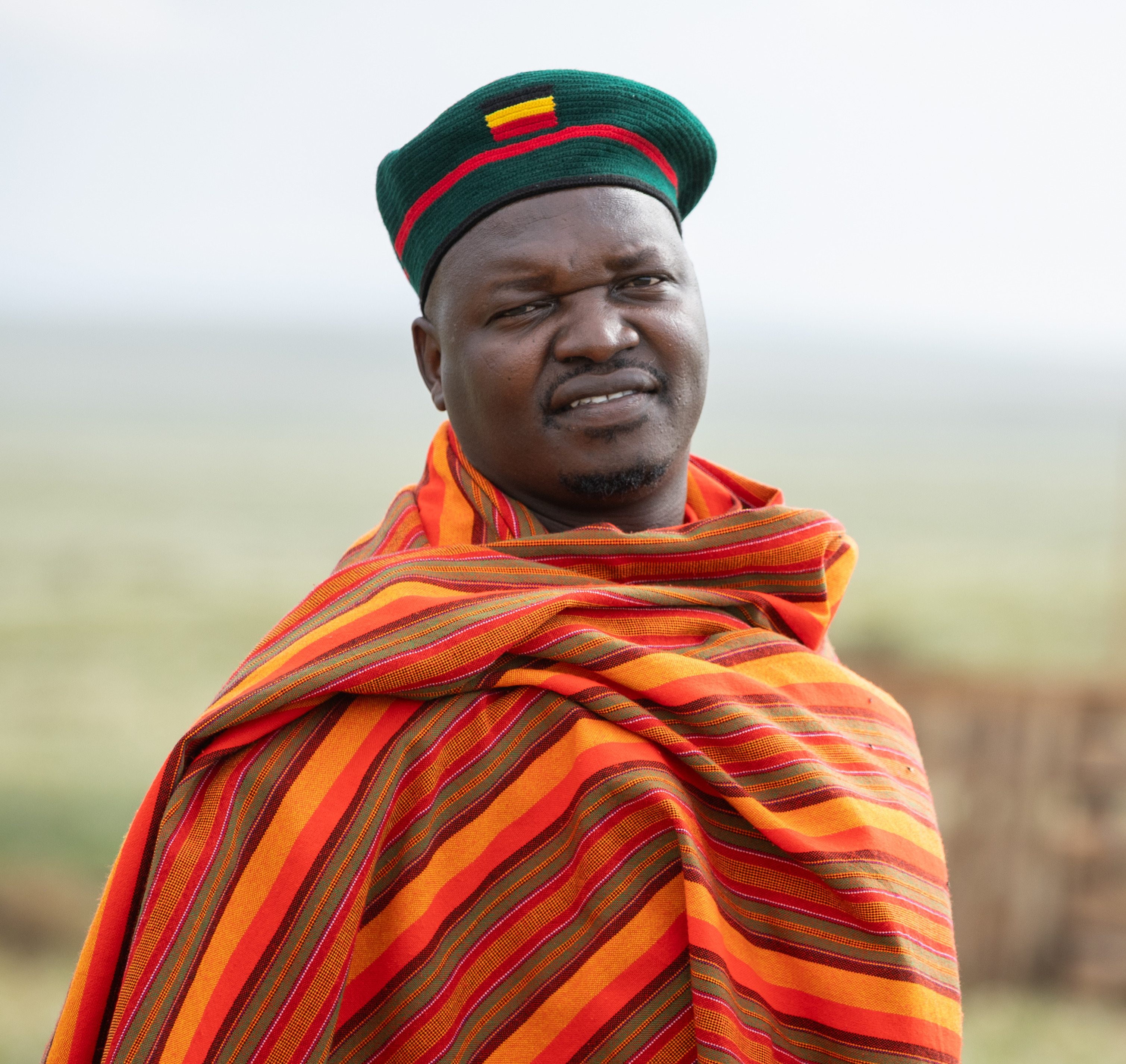
In Karamoja, this question matters deeply.
A significant share of the region is covered by protected and conserved areas. These landscapes are important for wildlife and biodiversity, but they are also connected to the lives and livelihoods of surrounding communities.
For communities living near protected areas, conservation can bring opportunities.
It can also bring difficult challenges.
Wildlife does not always stay inside protected-area boundaries.
Animals move through landscapes used by people.
When wildlife damages crops, destroys property or creates risks for communities, the cost is often felt directly by households.
This can create frustration and conflict.
And when communities feel that conservation provides few benefits while creating significant costs, it becomes harder to build long-term support for conservation.
Protecting wildlife cannot be separated from the people living around it.
Communities need meaningful opportunities to participate in decisions about natural resources.
They need access to economic opportunities linked to conservation.
They need systems that recognize the costs they bear.
And they need a genuine voice in how conservation is managed.
There are already examples of community conservation and benefit-sharing approaches in Karamoja, including conservancy models.
These experiences show that communities can play a much stronger role in protecting wildlife when conservation is connected to local livelihoods and decision-making.
The goal should not be to choose between people and wildlife.
It should be to create landscapes where both can have a future.
That requires investment in community-led conservation, land-use planning, sustainable livelihoods and stronger relationships between communities and conservation institutions.
Conservation works best when people can see themselves in the future it is trying to protect.
For Karamoja, that means putting communities at the heart of the conversation.