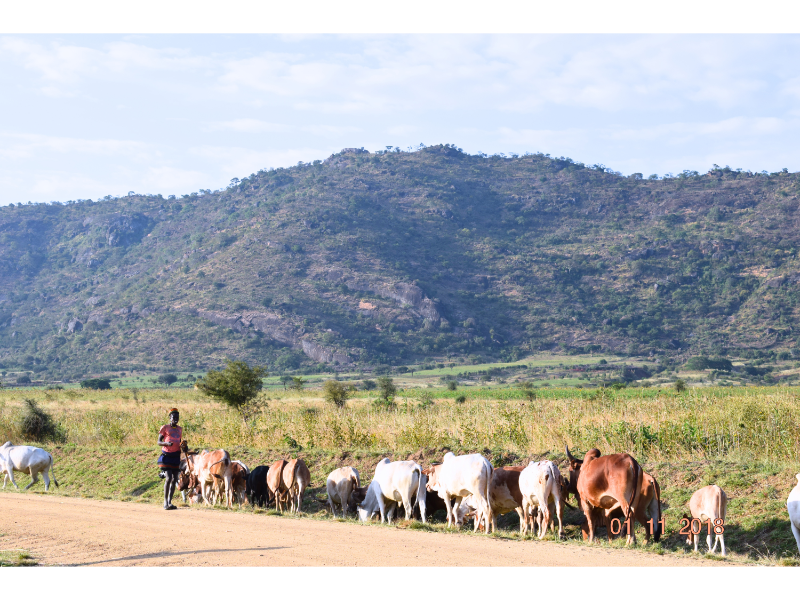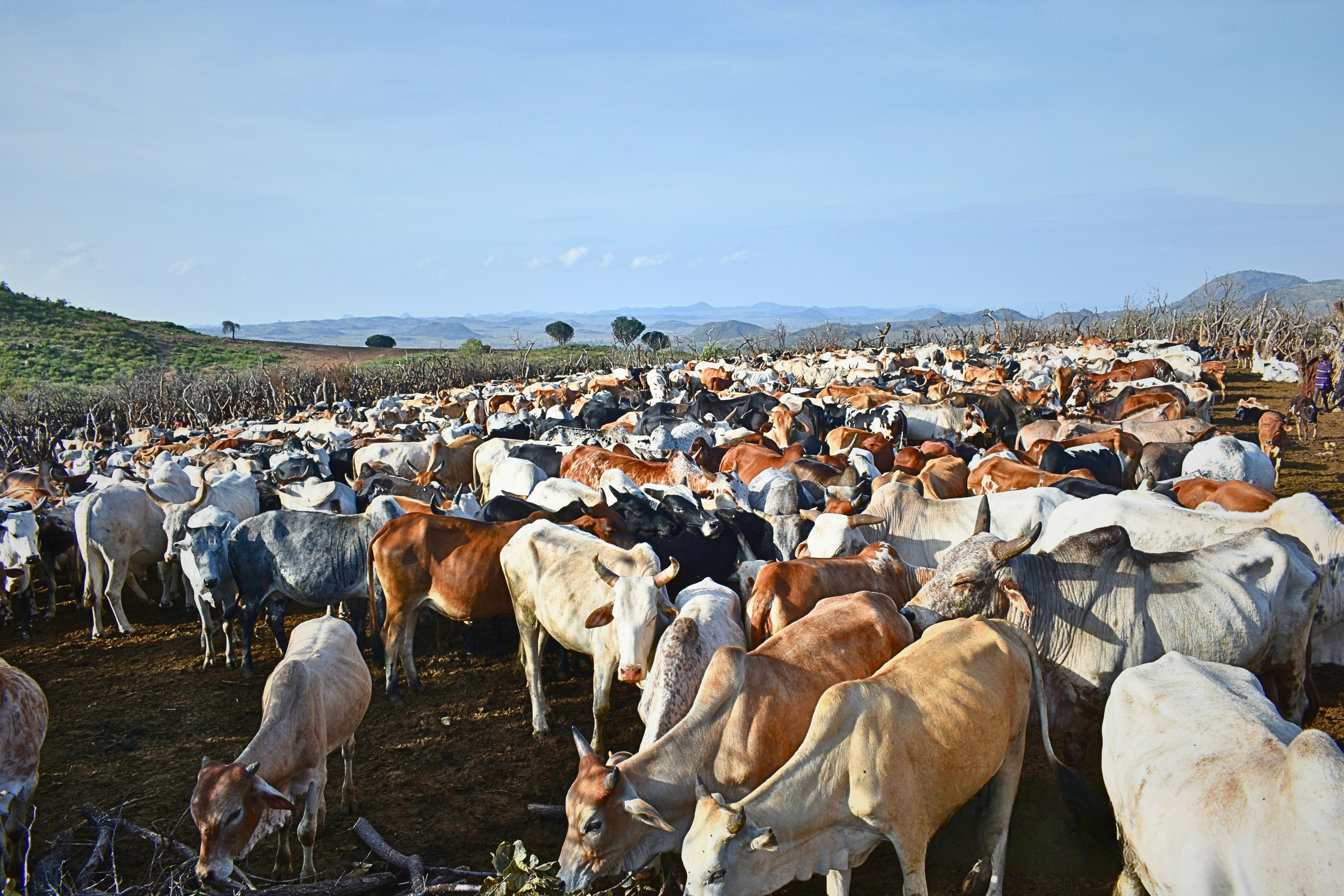
Pastoralism in Karamoja is Changing. That does not mean it is disappearing.
Find out more
When we talk about the future of pastoralism, climate change, and rangeland conservation, we often talk about what needs to be done.
We talk about new policies.
We talk about new technologies.
We talk about new funding.
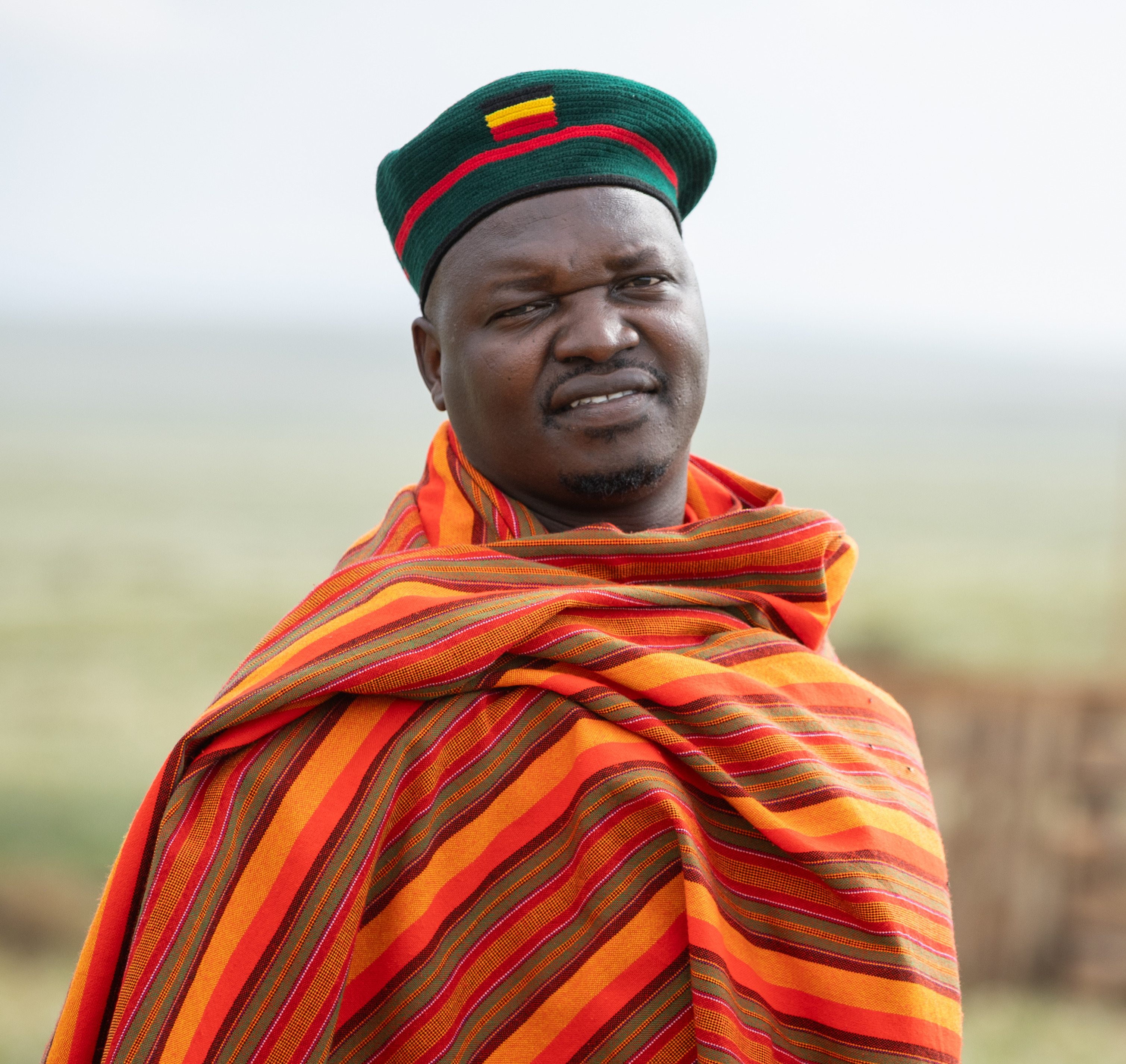
But there is another group we need to listen to more closely: young pastoralists.
Across East Africa, young people are already living with the changes affecting rangelands every day.
They see when pasture becomes scarce. They know when water sources begin to dry. They understand the routes livestock take during difficult seasons. And they are often the ones finding new ways to keep their families and communities going.
Yet young pastoralists are not always included when decisions about their future are being made.

Pastoralist youth are often described as vulnerable to climate change.
There is truth in that. Climate shocks, changing land use, limited economic opportunities and conflict can make life harder for young people in pastoral communities.
But vulnerability is only part of the story.
Young pastoralists also carry knowledge, skills and ideas that can help communities adapt.
They understand traditional livestock systems. They know their landscapes. They are experimenting with new technologies and finding ways to add value to rangeland products.
The question is not whether young people have something to contribute.
The question is whether we are creating enough space for them to lead.
Supporting pastoralist youth should go beyond workshops and short-term projects.
Young people need opportunities to participate in land-use decisions, conservation planning, climate discussions and local governance.
They need access to skills, technology, mentorship and networks.
And they need the resources to turn their ideas into practical solutions.
That is the thinking behind initiatives such as RCI Africa's Shepherds of the Rangelands approach, which seeks to strengthen young shepherds' roles in rangeland restoration, biodiversity monitoring, Indigenous knowledge, livelihoods and community-led resource management.
In November 2025, young pastoralists from across East Africa gathered in Moroto to discuss the challenges and opportunities facing their communities.
They talked about land rights, peace, rangeland restoration, climate change and the importance of having their voices heard.
They were not waiting for someone else to define their future.
They were helping define it themselves.
That is the kind of leadership that deserves investment.
When we invest in pastoralist youth, we are not simply investing in young people. We are investing in the people who will care for rangelands, livestock, knowledge and communities for generations to come.