Pastoralism in Karamoja is Changing. That does not mean it is disappearing.
Find out more
Pastoralism in Karamoja is changing.
Towns are growing.
Land use is changing.
Population is increasing.
Young people are pursuing education and new careers.
And many households are looking for ways to earn a living while staying connected to livestock.
For some, that means keeping smaller herds closer to home.
This is sometimes described as a decline of traditional pastoralism.
But there is another way to look at it:
Pastoralism is adapting.
One emerging system is semi-sedentary pastoralism.
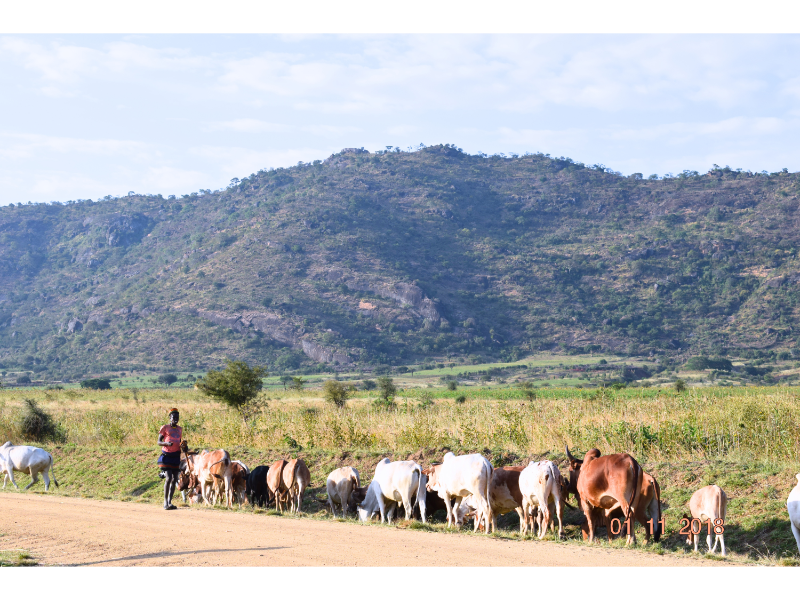
In this system, livestock may graze within roughly 2–4 kilometres of the homestead during the day, then return home each evening for water, mineral supplements and overnight shelter.
For some households, this is becoming a practical response to a changing landscape.
Smaller herds can continue to provide:
At the same time, family members can pursue education, employment or other livelihood opportunities.
That is not necessarily the end of pastoralism.
It may be one of the ways pastoralism is evolving.
Education has opened new possibilities for young people in Karamoja.
But new aspirations do not automatically mean young people are turning away from livestock.
Many are looking for ways to combine pastoralism with education, business, employment and other opportunities.
Research cited by Rotich, Funder and Marani (2023) points to increasing livelihood diversification among pastoralists while livestock continues to hold economic and cultural importance.
This matters because development should not force people to choose between their heritage and their future.
The goal should be to create pathways where the two can exist together.
As settlements and towns expand, pastoral land can become increasingly fragmented.
For households keeping livestock close to growing urban areas, this creates a practical challenge:
Where can animals graze?
Where can they access water?
How can small livestock keepers continue producing safely?
Local governments have an opportunity to respond by identifying and protecting urban and peri-urban grazing areas.
Good land-use planning could help reduce conflicts over land, strengthen household food security and create opportunities for women and young people to participate more fully in the livestock economy.
When livestock, people and the environment come into closer contact, planning cannot look at each issue separately.
Animal health affects people.
Environmental sanitation affects animals.
Waste management affects the environment.
Disease surveillance protects communities.
Veterinary services support livestock productivity.
This is where a One Health approach becomes important.
Planning for urban and peri-urban livestock should consider people, animals and the environment together.
Healthy livestock can contribute to healthy households—but only when the systems around them are managed well.
There is a temptation to frame pastoralism as either traditional or modern.
But reality is more complicated.
Pastoral communities are constantly adapting to new economic, environmental and social conditions.
The important question is not:
“How do we keep pastoralism exactly as it was?”
The better question is:
“How do we help pastoralism remain viable as conditions change?”
That means protecting access to land and water while also supporting innovation, education, diversified livelihoods and new livestock-production models.
It also means protecting the Indigenous knowledge that could easily be lost as generations experience the landscape differently.
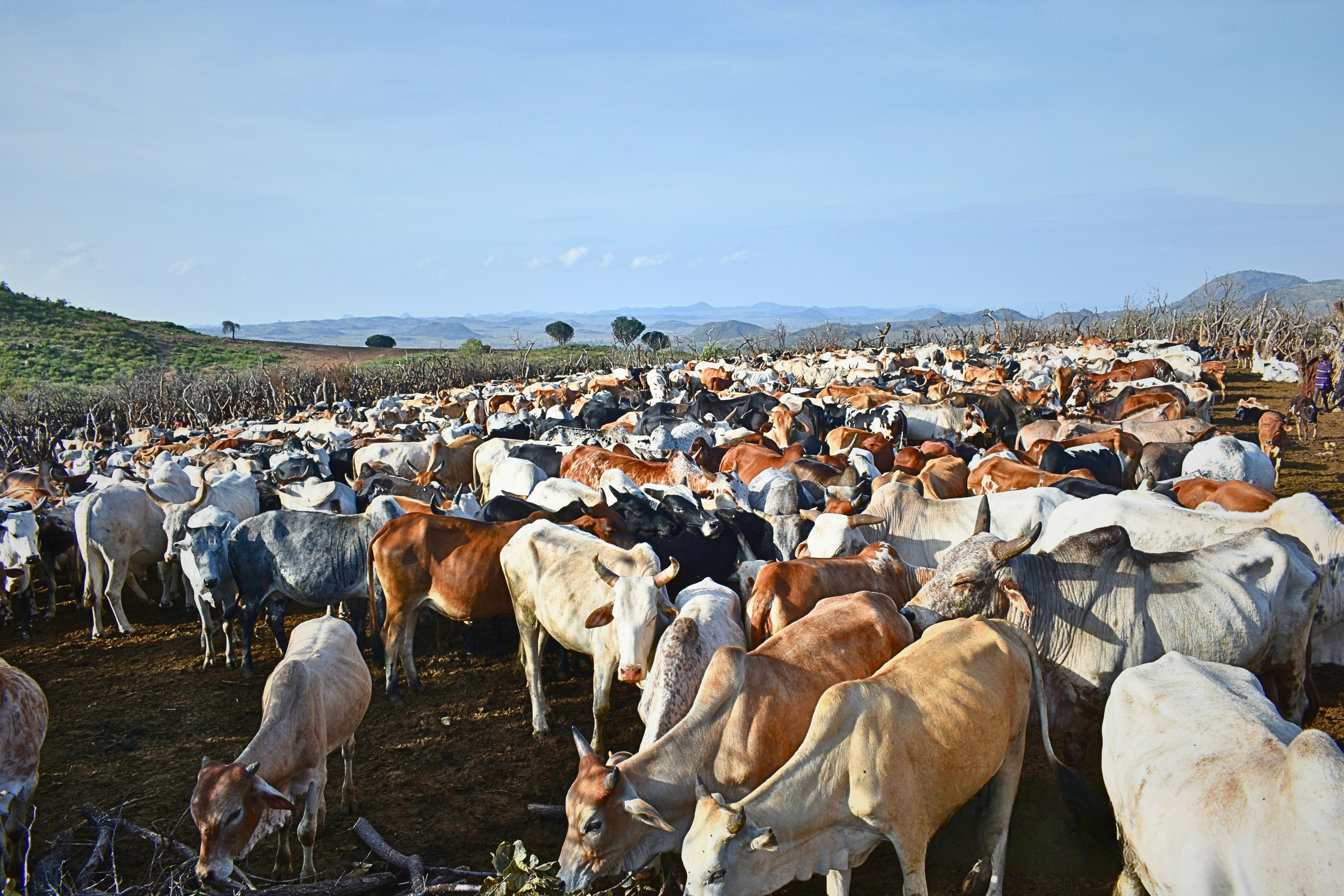
The future of pastoralism in Karamoja may include mobile herds.
It may include smaller semi-sedentary herds.
It may include livestock businesses connected to growing towns.
It may include young people moving between pastoralism, education and other careers.
It may include new technologies, better veterinary services and stronger markets.
These changes do not have to erase pastoral identity.
They can become part of its evolution.
At Rangelands Community Initiative Uganda, we believe the future of pastoralism lies not only in protecting traditional systems, but also in supporting their evolution.
That means building resilient rangelands, strengthening land rights, supporting inclusive land-use planning, protecting Indigenous knowledge and creating space for women and young people to shape the future.
Pastoralism is not disappearing. It is adapting to a changing world.
Our job is to make sure that transformation remains sustainable, inclusive and rooted in the communities who call Karamoja home.