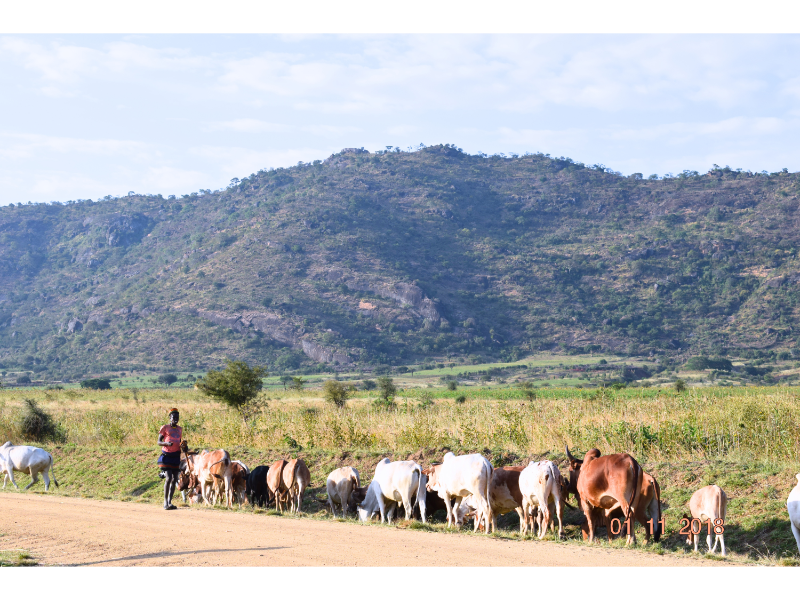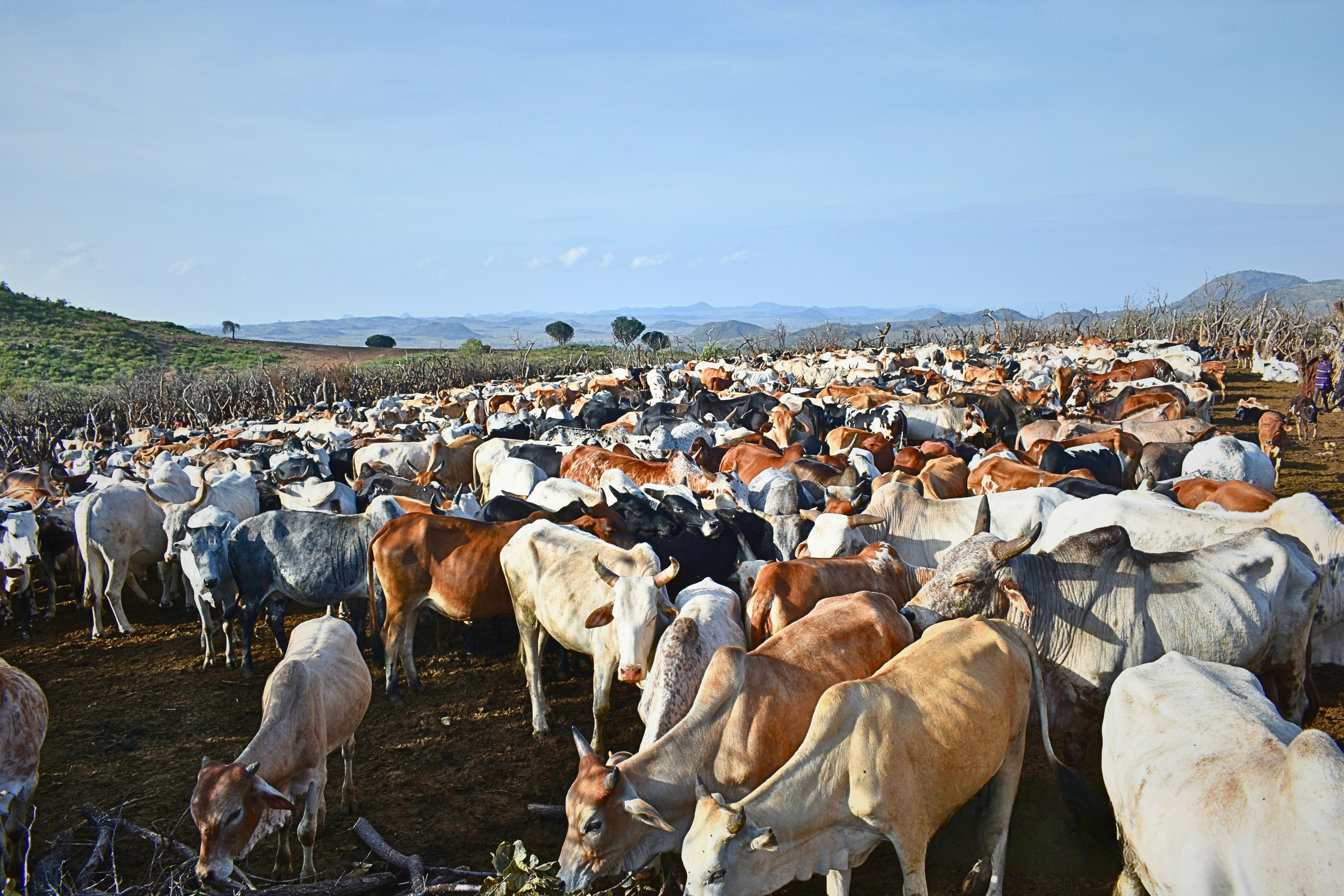
Pastoralism in Karamoja is Changing. That does not mean it is disappearing.
Find out more
From 8–15 August 2026, I joined the UNCCD-supported Silk Road Caravan in Mongolia, part of an 8,000-kilometre journey across Eurasia launched for the International Year of Rangelands and Pastoralists 2026.
The journey brought together pastoralists, scientists and policymakers to share ideas about healthy rangelands, climate resilience and the future of pastoralism.
For me, coming from Karamoja, the experience was both familiar and surprising.
The landscapes were different. The animals were different. The challenges were different.
But everywhere we went, I kept seeing the same thing:
Pastoralists understand their landscapes deeply, and when their knowledge, rights and institutions are supported, they can be powerful stewards of the land.

Mongolia has about 3.59 million people and 58.1 million livestock, while approximately 110.9 million hectares are classified as permanent meadows and pastures.
These numbers help explain the scale of pastoralism in the country.
But it was only when I spent time with herders that these figures became real.
In Bulgan soum in Arkhangai Province, I saw how seasonal mobility remains central to pastoral life.
Families move according to the four seasons, using agreed grazing areas and community arrangements.
One pastoralist association we visited manages about 316,000 hectares.
The herders do not simply move their animals randomly.
They organize grazing, negotiate access between communities and allow some areas to rest for up to two years.
That was an important reminder:
Mobility is not the opposite of land management. It can be a form of land management.
The communities we visited also showed that pastoralism is about more than raising animals.
Herders are finding ways to add value to livestock products, including yak meat, milk and wool.
These products support household incomes while connecting traditional pastoral systems to changing markets.
This is something pastoral communities in Karamoja can also learn from.
The future of pastoralism will depend not only on protecting livestock, but also on creating better opportunities for households to earn from the resources and knowledge they already have.
In Gobi Province, the landscape felt completely different.
Water scarcity, drought, strong winds and fragile soils create serious challenges for pastoralists.
Yet once again, I was struck by the ability of herders to adapt.
Camels, horses, cattle, sheep and goats all play important roles in household economies and culture.
One elderly woman told us:
“Camel milk, wool and other livestock products are not simply commodities; they are part of a knowledge system passed from one generation to another.”
That statement stayed with me.
When we talk about pastoral products, we often talk about their economic value.
But their value is also cultural.
Behind every product is knowledge about animals, seasons, processing, production and the landscape itself.
At Husta National Park, I learned another important lesson.
The park covers about 50,000 hectares and is internationally known for the successful reintroduction of Przewalski's wild horses.
But wildlife conservation does not happen in isolation.
The discussions we had also highlighted the importance of supporting local herders and involving them in conservation and restoration.
At Ojuii Lake, I saw this connection even more clearly.
The lake supports hundreds of migratory bird species, but drought, changing water levels and human pressure are affecting the ecosystem.
Protecting such places requires more than conservation rules.
It requires cooperation between pastoralists, conservation actors and local authorities.
Our visit to the Mongolia Rangeland Research Center reinforced another lesson.
Researchers are using satellite mapping, field data and climate information to understand changes in rangelands.
At the same time, they are working with nomadic communities on restoration and the protection of Indigenous pasture species.
For me, this combination is important.
We should not have to choose between science and Indigenous knowledge.
We need both.
Science can provide new tools and evidence.
Indigenous knowledge provides generations of experience with the landscape.
Together, they can help communities make better decisions.
Perhaps one of my strongest inspirations was the Champion Herder model.
The award does not recognize herders only for livestock production.
It also recognizes animal health, environmental stewardship, social responsibility, knowledge sharing and community service.
That sends an important message:
Good pastoralism is about more than having healthy animals. It is also about caring for the land and the community around you.
This is an idea worth strengthening in Karamoja.
I returned from Mongolia with a stronger conviction that pastoralism is not simply a way of life.
It is a dynamic system of food production, culture, knowledge and land stewardship.
The future of pastoralism will not come from trying to freeze communities in the past.
It will come from helping pastoralists adapt, innovate and lead while protecting the foundations that make their systems possible.
For RCI, that means continuing to work alongside communities to:
The lesson I brought home from Mongolia is simple:
The people who live closest to the land often understand its problems and possibilities better than anyone.
Our responsibility is to listen to them, protect their rights, strengthen their knowledge and invest in their solutions.
Because we cannot restore land without securing the rights of the people who depend on it.
And we cannot build the future of pastoralism without investing in the pastoralists who will carry it forward.