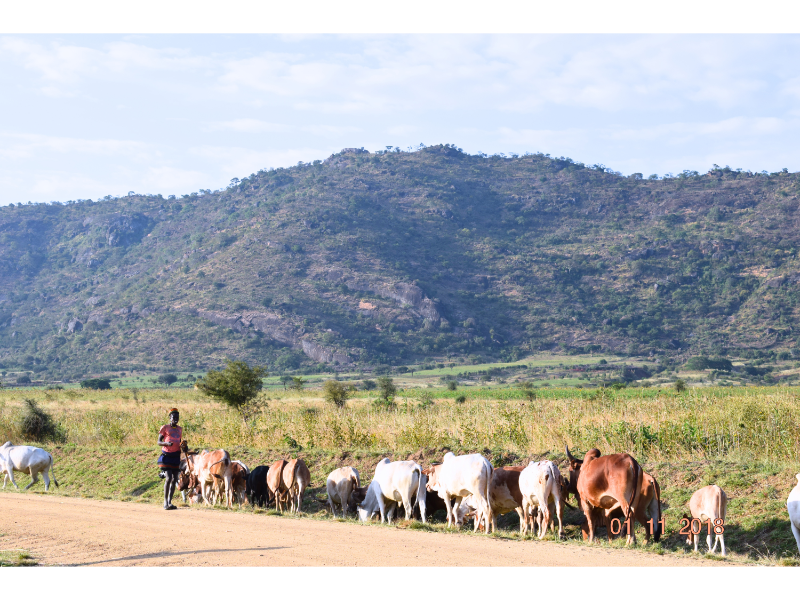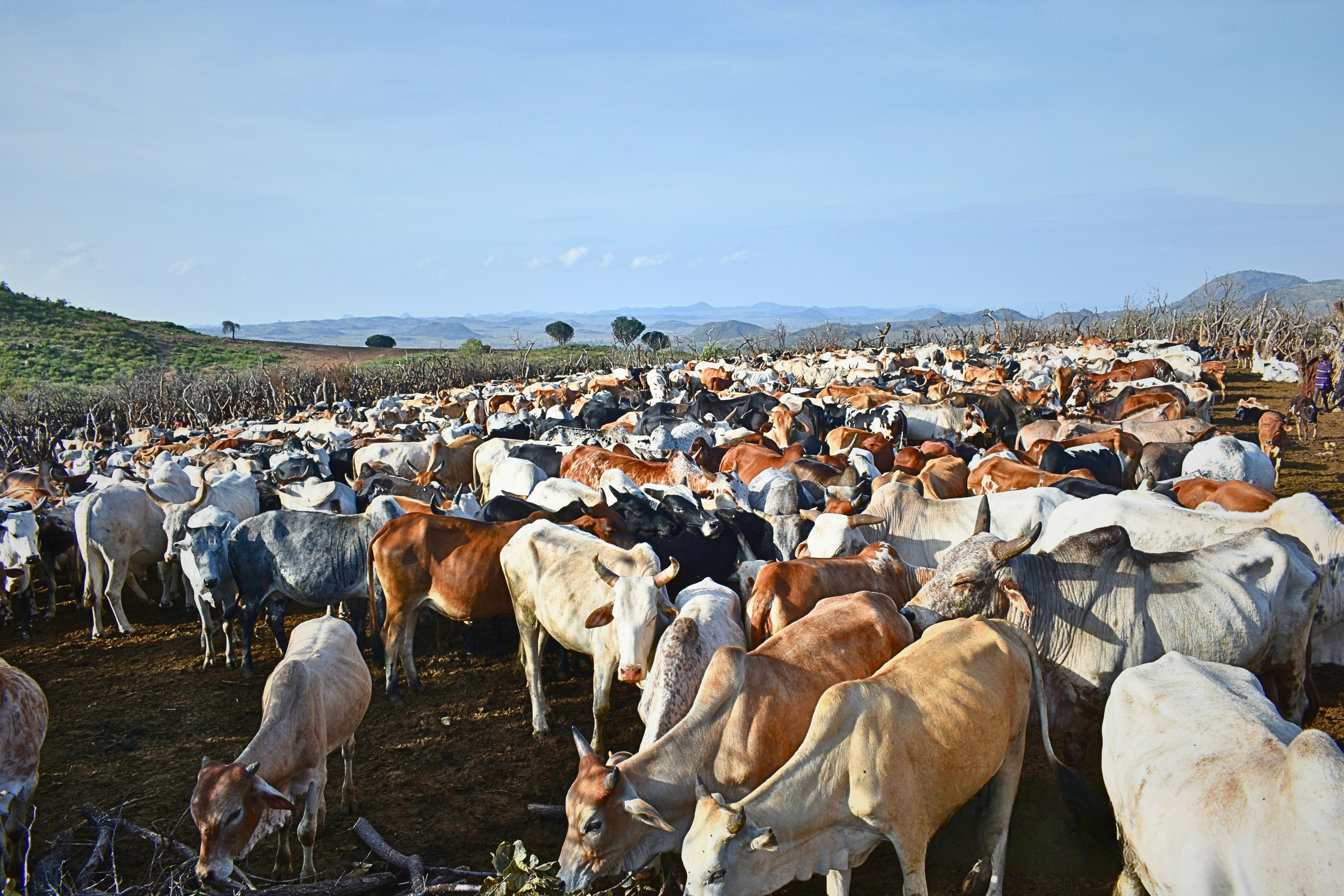
Pastoralism in Karamoja is Changing. That does not mean it is disappearing.
Find out more
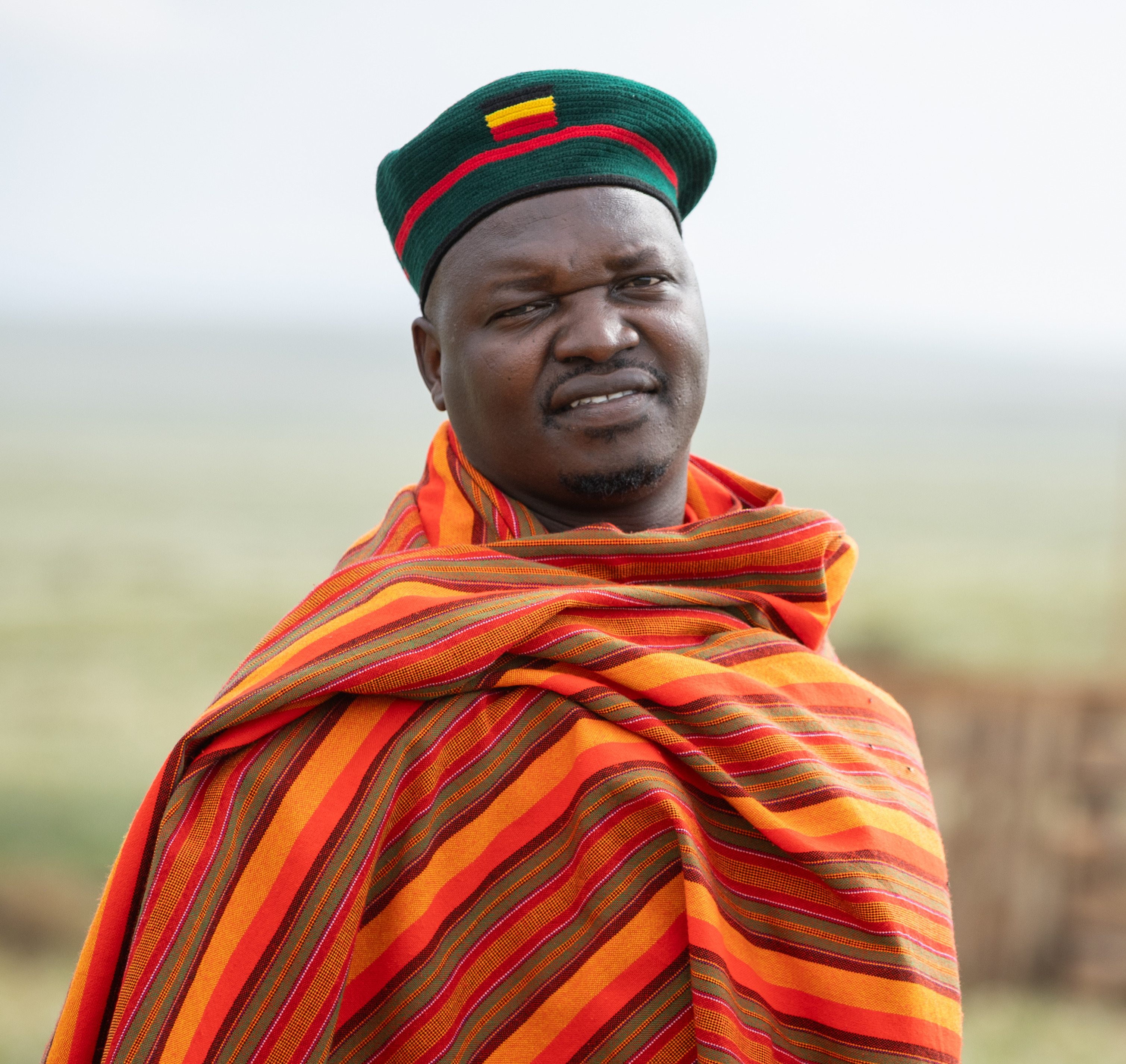
For two days in November 2025, Moroto became a meeting place for young pastoralists from across East Africa.
Young people from Uganda, Kenya, Tanzania, Ethiopia and South Sudan came together to talk about the future of pastoralism.
But this was more than a conference.
It was a chance for young people who share similar landscapes and challenges to meet, listen and learn from one another.
Pastoralist communities do not always fit neatly inside national borders.
Livestock move.
Families move.
Markets connect communities.
Water and grazing resources are shared.
This means that challenges such as climate change, land degradation and conflict cannot always be addressed by one community or one country working alone.
Regional cooperation matters.
During the gathering, young pastoralists discussed land tenure, peace, cross-border cooperation, rangeland restoration and meaningful participation in policy processes.
They also shared something that is sometimes missing from policy discussions: lived experience.
They know what it means when a grazing area is no longer accessible.
They know what happens when water becomes scarce.
They understand the value of peaceful resource sharing.
And they know the importance of culture and Indigenous knowledge.
At Kobebe Dam, participants developed a youth declaration calling for stronger youth leadership and cooperation around rangelands and pastoralism.
The location itself carried meaning.
Kobebe is a shared resource area for communities across the Uganda-Kenya border, making it a powerful place to talk about cooperation, mobility and peace.
The gathering showed what becomes possible when young people are given space to lead.
They do not need to be spoken for. They need to be heard, supported and trusted.
As the International Year of Rangelands and Pastoralists brings greater attention to pastoralism, this generation has an opportunity to shape the conversation.
And they are ready.