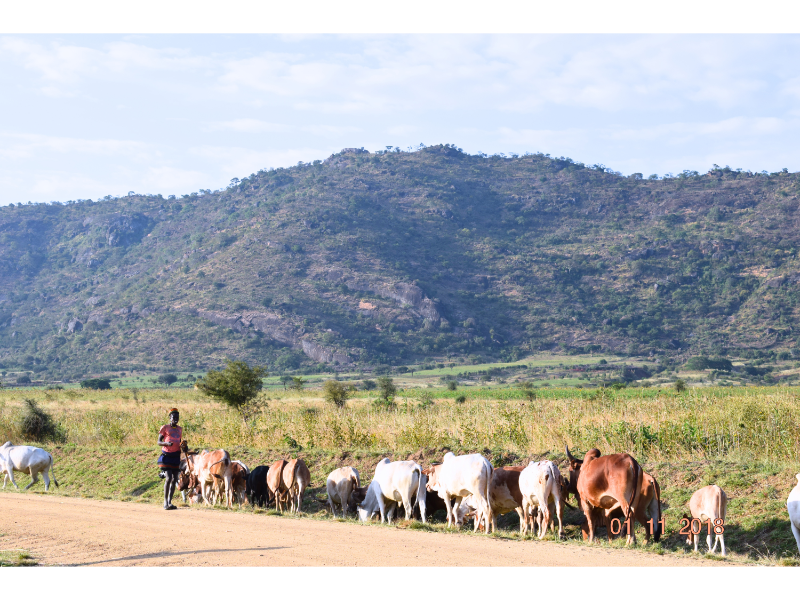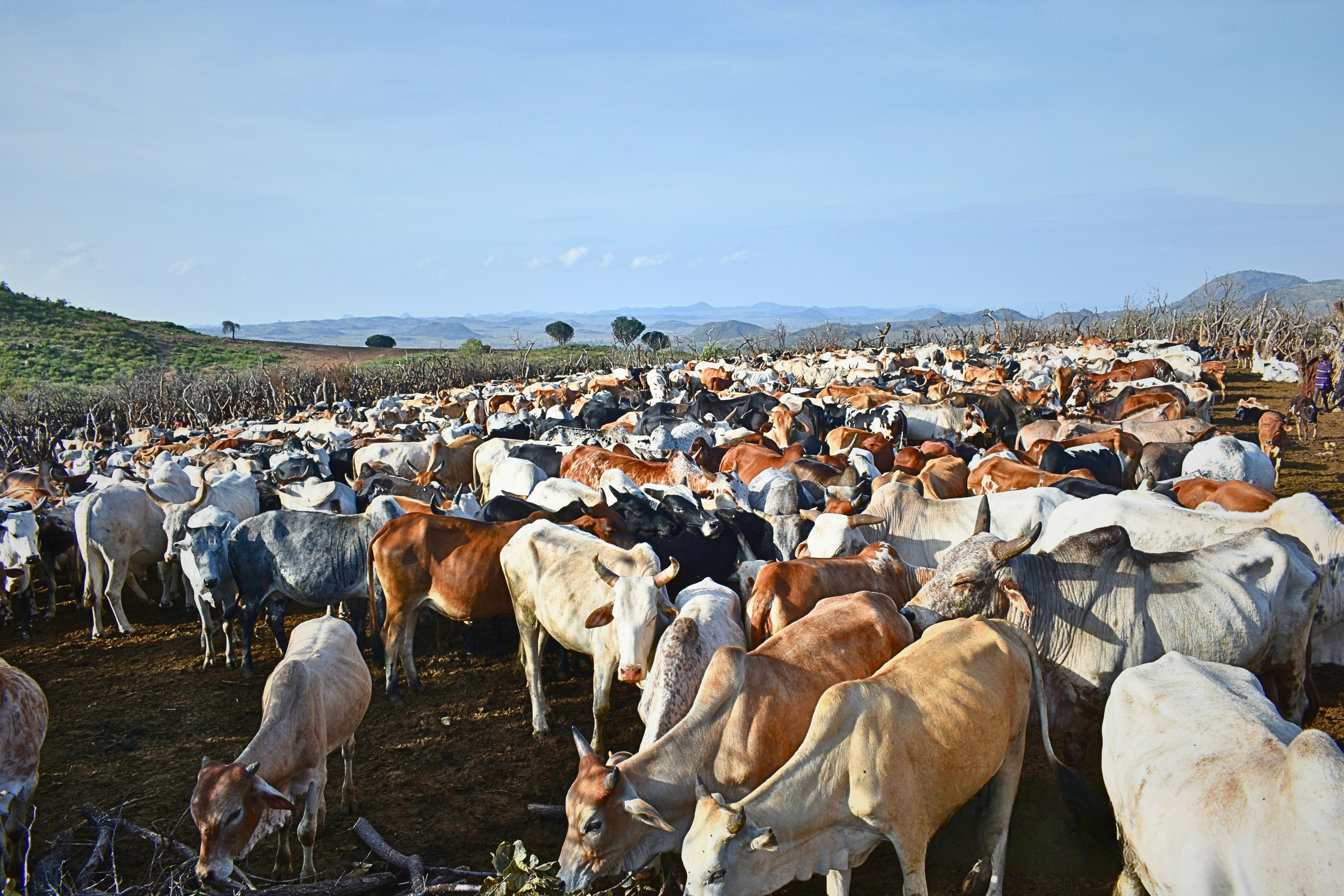
Pastoralism in Karamoja is Changing. That does not mean it is disappearing.
Find out more
On the surface, Belgium and Karamoja could hardly seem more different.
One is in the heart of Europe. The other is a semi-arid pastoral landscape in northeastern Uganda.
Yet both are home to people who depend on livestock, grasslands and the freedom to move their herds.
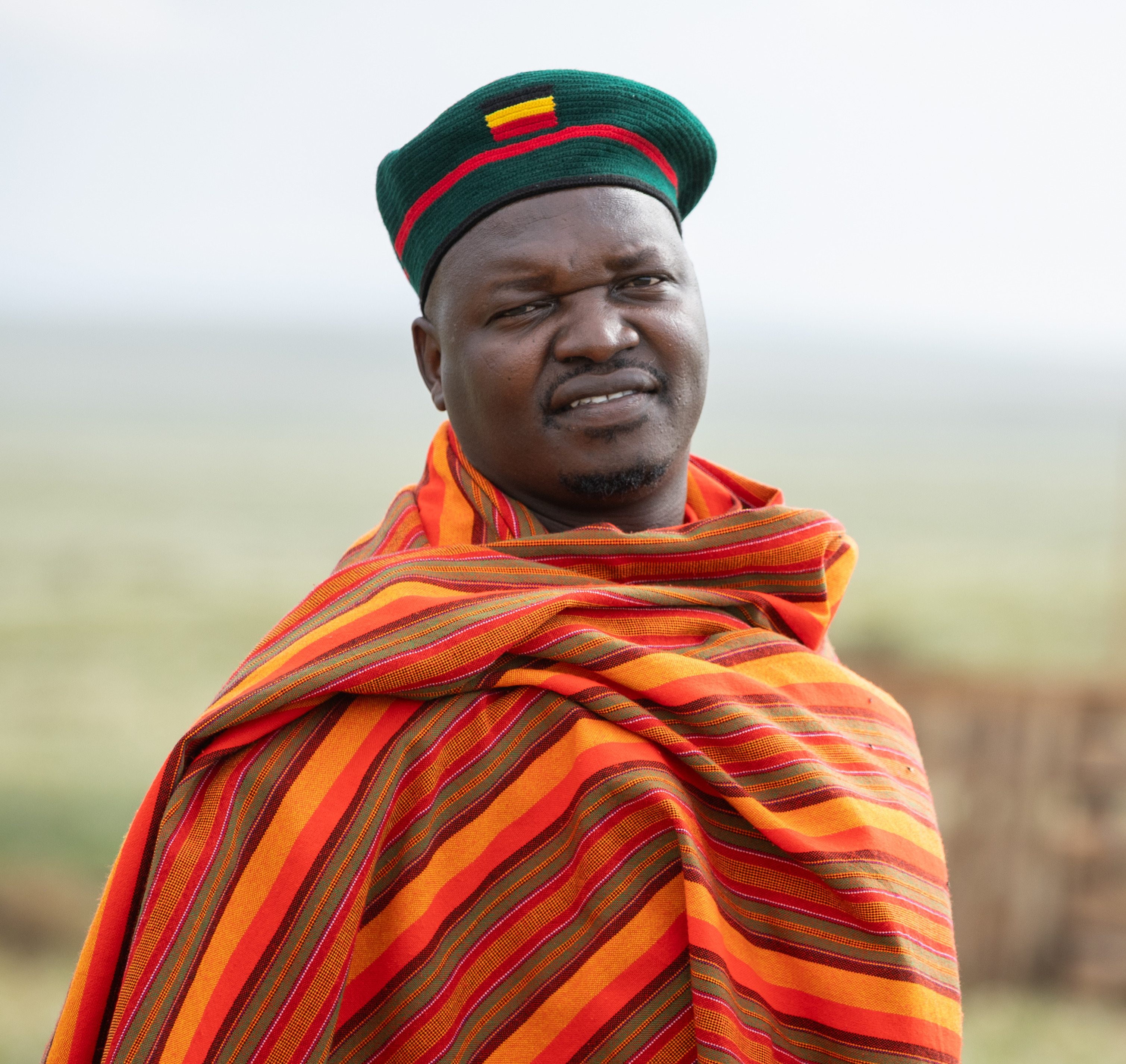
That shared experience is taking Loupa Pius, a pastoralist from Karamoja and Executive Director of Rangelands Community Initiative (RCI), to Belgium. From 28 September to 13 October 2026, Loupa will join Belgian herders Toon and Johan Schouteden and their flock of about 350 sheep on a 170-kilometre journey from Achelse Kluis to Brussels.
For Loupa, this is more than a march.
It is an opportunity to connect the experience of pastoralists in Karamoja with a wider global conversation about land, livelihoods, rangelands and the future of pastoralism.
Loupa grew up as a pastoralist in Karamoja.
Today, he leads RCI, an Indigenous pastoralist-led organization working with grassroots communities on rangeland restoration, biodiversity conservation, secure land tenure, sustainable livelihoods and the documentation of Indigenous knowledge.
His work is rooted in a simple idea:
The people who live with the land should have a voice in deciding its future.
That belief follows him to Belgium.
The European Herders' March is bringing attention to the role of herders in managing landscapes, supporting biodiversity and sustaining food systems. It is also creating space for pastoralists from different regions to share experiences and speak about the challenges they face.
Loupa's presence adds a perspective from East Africa.
Belgian herders and pastoralists in Karamoja operate in very different environments.
But some of the questions are remarkably similar.
Who has access to grazing land?
Who decides how landscapes are managed?
How can herders continue moving livestock when access to pasture and water becomes more restricted?
And how can pastoralists make a living while also contributing to healthy landscapes and biodiversity?
In Karamoja, Loupa explains that pastoralists move their herds according to the availability of water and pasture, allowing animals to access better grazing while giving other areas time to recover. But that system depends on having enough space and access to the routes connecting different grazing areas.
That is one reason land rights are so closely connected to pastoralism.
At RCI, these issues are not theoretical.
They are part of the organization's work with pastoralist communities in Karamoja.
RCI works to strengthen secure land tenure, support community participation in natural-resource decisions, restore rangelands, promote biodiversity conservation and preserve Indigenous knowledge.
The organization also works to amplify the voices of shepherds, youth and grassroots pastoralist communities.
So when Loupa walks alongside European herders, he is carrying more than his own story.
He is carrying the experiences and perspectives of communities whose livelihoods depend on rangelands.
The purpose of Loupa's journey is not simply to tell people in Europe about Karamoja.
It is also to learn.
He has said that he wants to understand how European herders are responding to changing conditions and how they make their voices heard by policymakers, while also sharing lessons from Karamoja.
That exchange matters.
Pastoralist communities around the world may face different policies, landscapes and climates, but there is value in sharing what works.
A solution developed in one landscape may inspire a different approach somewhere else.
And an idea from Karamoja can become part of a much bigger conversation.
When Loupa returns to Uganda, the journey does not end.
The knowledge, relationships and experiences gained through international exchanges can help strengthen local conversations about pastoralism, rangeland management, land rights and community leadership.
That is at the heart of RCI's approach: connect Indigenous and local knowledge with research, collaboration and new ideas while keeping communities at the centre of decision-making.
For RCI, global recognition matters because the future of rangelands is not only a local issue.
It is connected to biodiversity.
It is connected to food systems.
It is connected to climate adaptation.
And it is connected to the rights and livelihoods of the people who care for these landscapes every day.
Loupa's journey from Karamoja to Belgium is a reminder that pastoralism is not a relic of the past.
It is a living system with knowledge, skills and people who are adapting to a changing world.
The challenge is making sure they have the land, resources, recognition and voice they need to continue.
As the world marks the International Year of Rangelands and Pastoralists in 2026, journeys like this create opportunities to listen, learn and build solidarity across borders.
From Karamoja to Belgium, the message is simple:
Rangelands matter. Pastoralists matter. And the people who live with these landscapes must have a voice in shaping their future.